IES VE Part L & Overheating Workflows
DSM and SBEM Part L workflows, BRUKL interpretation and Part O/TM59 overheating analysis developed as a complete UK building-performance workflow.
View case studyBuildings | carbon | data
Through simulation and data, I examine how buildings perform, compare low-carbon options and identify practical routes for design, retrofit and investment.
Connected expertise
Simulation, operational energy, thermal comfort and compliance work.
View02Carbon analysis, BREEAM, passive design and decarbonisation options.
View03Domestic energy assessment, retrofit planning and fabric-first improvement.
View04Dashboards, databases, automation and applied machine learning.
ViewSelected projects
DSM and SBEM Part L workflows, BRUKL interpretation and Part O/TM59 overheating analysis developed as a complete UK building-performance workflow.
View case studyAn 8,500 m2 office study combining energy modelling, low-carbon design and BREEAM strategy. The simulated assessment improved from 67.1% to 72.6%.
View case studyFive UK domestic EPC assessments and two PAS 2035 retrofit assessments covering building condition, occupancy, fabric and energy-performance evidence.
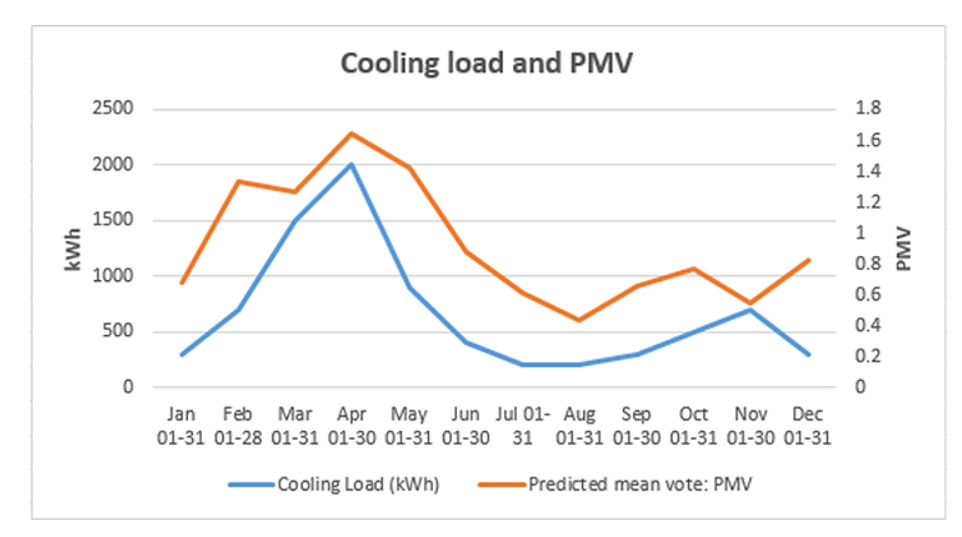
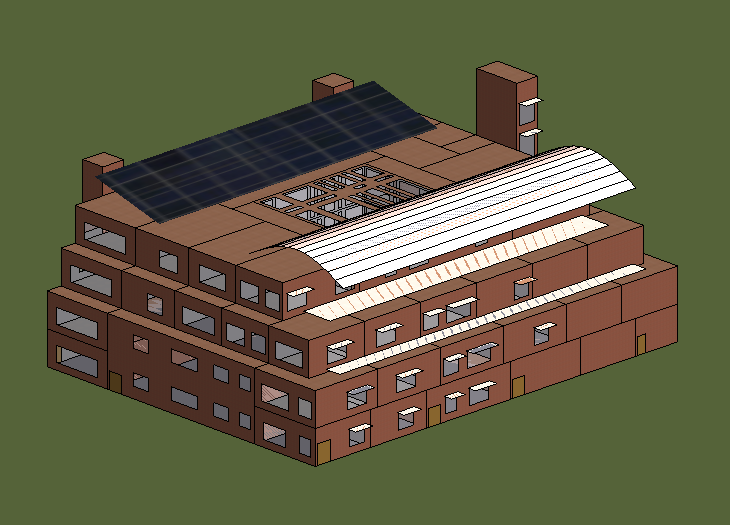
View case studyA four-storey Birmingham school modelled in IES VE to investigate passive design, daylight-responsive lighting, ApacheHVAC system performance, thermal comfort, indoor air quality and annual operational energy.
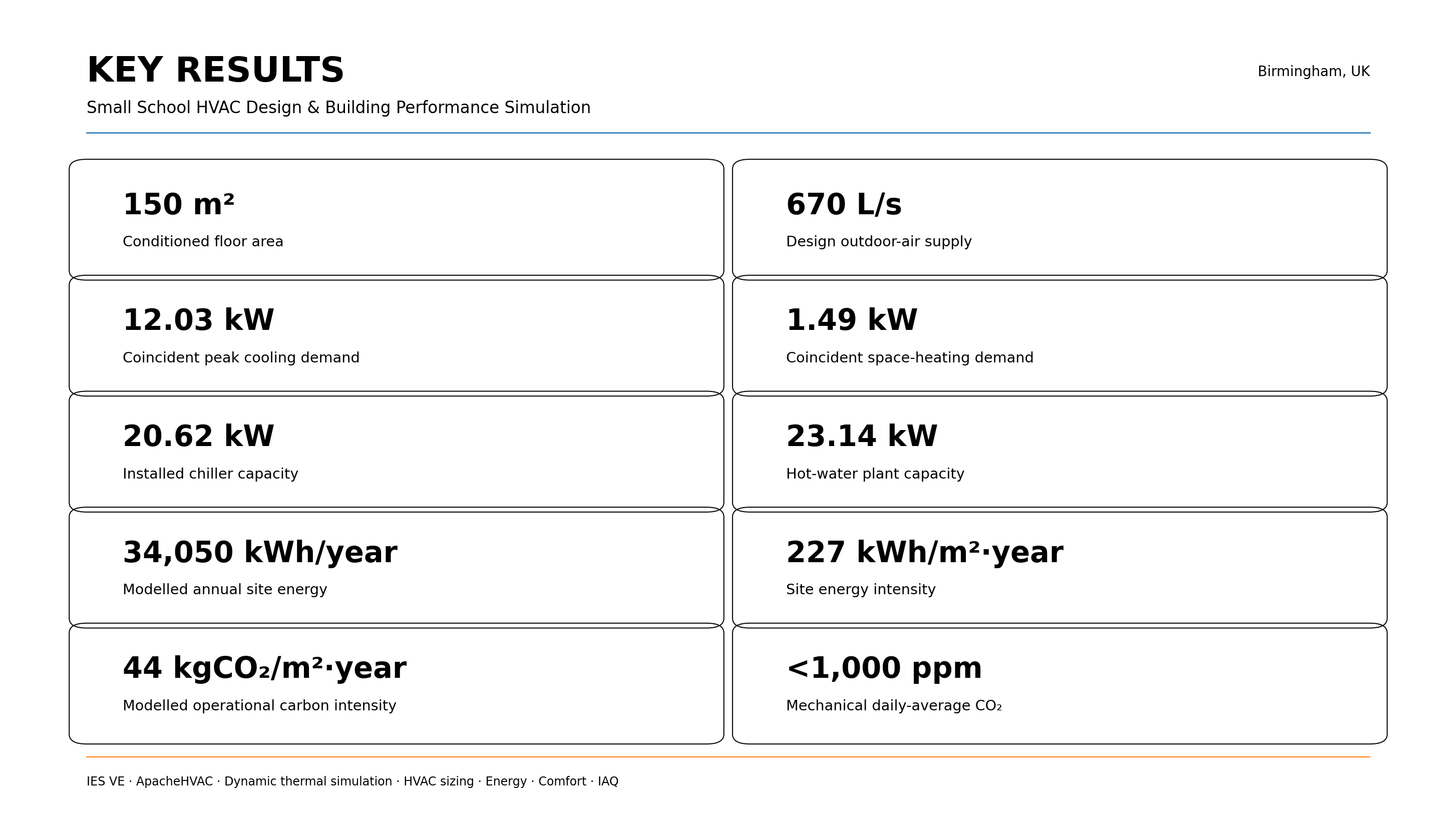
View case studyThis report presents the completed base-case ApacheHVAC model for a 150 m² teaching suite. It covers system modelling, sizing, ventilation, annual energy, TM52 screening, BB101 school checks, ISO 7730 comfort and indoor air quality.
View case studyA detailed case study of how I developed, simulated and iteratively optimised a 12-storey office building in IES VE, progressing from a substantial Part L 2021 failure to a compliant BER and BPER through lighting redesign, HVAC optimisation, airtightness, solar control and renewable energy integration.
View case study5lodged UK EPCs
2PAS 2035 retrofit assessments
15M+environmental readings through StreamDash
2relevant MSc degrees
MSc Artificial Intelligence & Data ScienceUniversity of Hull
MSc Sustainable Built EnvironmentUniversity of Reading
Energy & Retrofit AssessorDEA Level 3 | Retrofit Assessor Level 4
Digital platformsUrbis | StreamDash | BuiltIQ Adaptive
How I work
I start with the question and the outcome, then combine the building, carbon and data methods that best fit the work.
Fabric, systems, ventilation, internal gains, weather, controls, overheating and operational energy.
Activity data, emission factors, system boundaries, baselines and low-carbon options.
Python, SQL, dashboards and machine learning for analysis, automation and decision support.
From question to recommendation
Define the question, desired outcome and available information.
Use the simplest method that can answer the question properly.
Compare options, sensitivities, data quality and physical performance.
Present the findings, priorities and practical next steps.
Insights
Passive-design strategies for improving energy efficiency in residential buildings in Nigeria's hot-dry climate.
Read noteStart a conversation
Let's work out what the project really needs.